Tool Crib Management: How to Control Cutting Tool Inventory
Cutting tools are easy to lose track of in a busy manufacturing facility. Inserts get stored near machines, end mills disappear into drawers, and replacement drills are ordered even though more are sitting somewhere else in the plant. Tool crib management brings those items into a controlled inventory system so employees can find what they need and purchasing teams can see what is actually being used.
What is Tool Crib Management?
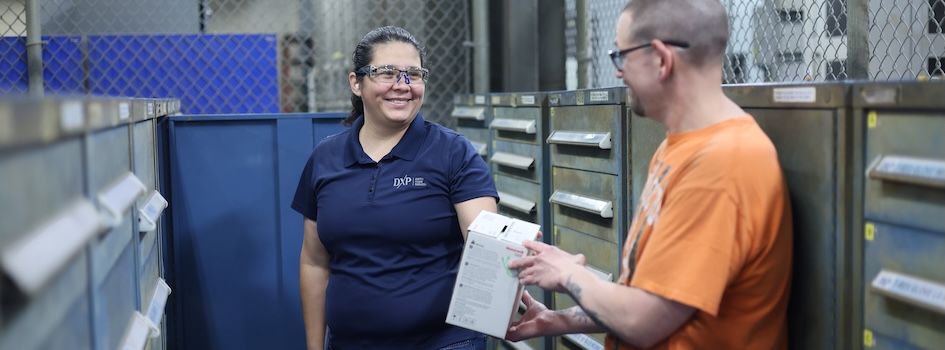
Tool crib management is the process of storing, issuing, tracking, replenishing, and receiving tools used across a facility. The tool crib may be a staffed room, a secure self-service storeroom, a group of industrial vending machines, or a combination of all three.
A good system answers a few basic questions:
- What tools are currently in stock?
- Where is each item stored?
- Who removed an item?
- Which tools need to be returned?
- When should more inventory be ordered?
- Which machines, departments, or jobs are consuming the most tooling?
Cutting Tools Need Different Types of Control
Cutting tool inventory management is not the same as tracking a cabinet full of hand tools. A typical machining operation may use solid cutting tools, replaceable inserts, toolholders, gauges, abrasives, coolants, and other related products. Each category moves through the facility differently.
Consumable tools such as inserts, small drills, taps, and certain end mills are normally issued and used until they are worn or damaged. These items need quantity tracking, consumption limits, and reorder points.
Durable items such as toolholders, gauges, power tools, and measuring equipment are checked out and returned. The system needs to record the employee, issue time, return status, and sometimes the assigned machine or job.
Reconditionable tools require another step. A worn tool may be collected, sent out for sharpening or repair, inspected when it returns, and placed back into usable inventory. If the crib only records new purchases, it will not show how many tools are being reconditioned or how long that cycle takes.
Do not force all three groups into the same inventory process. That usually creates inaccurate counts and extra work for the crib attendant.
Start With an Accurate Tool List
Before adding scanners or vending equipment, document what the facility already owns. Record the manufacturer, part number, description, tool type, size, grade, coating, storage location, and unit of measure. Descriptions must be consistent. If one employee enters “1/2 carbide end mill” and another uses the manufacturer part number, the system may treat the same item as two separate tools.
Review the list for obsolete products, duplicate records, and tools purchased under different brands for the same operation. Standardizing approved tools can reduce the number of SKUs the crib carries without limiting what machinists can use.
DXP has seen these problems in practice. One industrial client had an outdated storeroom layout, poor use of space, and unreliable inventory processes. DXP’s Supply Chain Services team completed an on-site storeroom reset that included revised procedures and a reorganized footprint. The project shows why accurate records, assigned storage locations, and consistent issue procedures need to come before automation.
Set Stock Quantities From Actual Usage
Minimum and maximum quantities should account for average consumption, supplier lead time, scheduled production, package quantities, item cost, and the consequences of running out.
A high-use insert with a short lead time may need frequent replenishment but little backup stock. A specialized cutter may require more coverage if replacement takes several weeks. Carrying too many expensive carbide tools ties up money, but carrying too few can leave a machine waiting on a small item.
Use transaction data to adjust reorder points. If a machine cell uses 40 inserts per week, purchasing can compare that rate with supplier lead time. Revisit the quantity when production volume, tool life, or delivery time changes.
Barcode and vending transactions can trigger replenishment when stock reaches its reorder point. Periodic cycle counts are still needed because duplicate records, incorrect package quantities, and unrecorded withdrawals can produce inaccurate orders.
Control How Tools Are Issued
Open shelves are fast, but they provide little accountability. Employees may take more than they need, move products to personal cabinets, or forget to record the transaction. The inventory count then shows tools that are not actually available.
A controlled tool crib can issue products through several methods:
- Attended storerooms where employees submit orders for pickup
- Secure self-service storerooms with badge access and barcode scanning
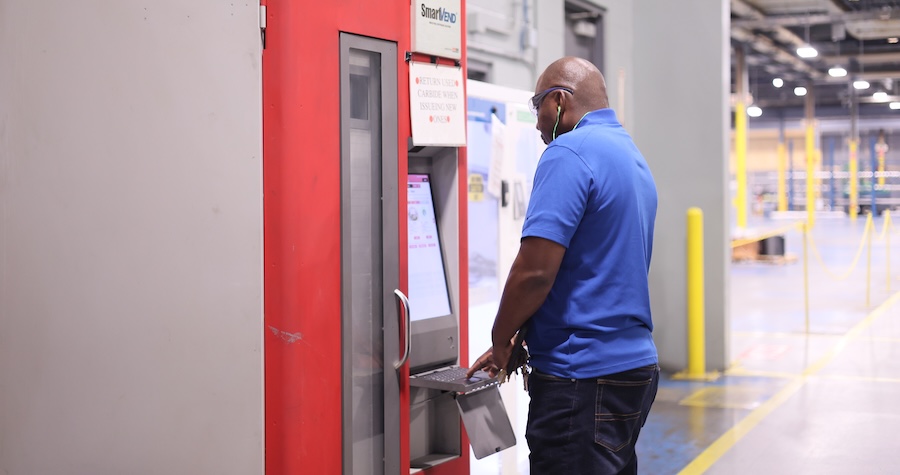
- Point-of-use vending for consumable tools and controlled checkout of durable items
The right setup depends on facility size, staffing, product dimensions, transaction volume, and how close inventory needs to be to the work area.
DXP SmartCrib® supports attended and self-service storerooms through electronic ordering, secure access, and scanned item issues. DXP SmartVend® places frequently used cutting tools closer to machining areas while supporting usage limits, check-in and check-out, and automated ordering.
Use Transaction Data to Find Problems
Tool crib reporting should help the facility make decisions, not produce another report no one reads. Start with a small group of useful measurements:
- Stockouts by item
- Quantity issued by machine, department, or job
- Inventory discrepancies
- Tools overdue for return
- Tool usage compared with production output
- Reconditioning turnaround time
High consumption does not always mean an employee is wasting tools. The cause may be incorrect speeds and feeds, machine vibration, poor coolant delivery, a difficult material, or the wrong cutting-tool grade. Tool crib data shows where to investigate, but someone still needs to review the machining process.
Cost per part can also be more useful than total tool spend. A department may use more inserts because production increased. That is different from using more inserts to produce the same number of parts.
Improve Tool Crib Management With DXP
DXP combines metalworking product knowledge with supply chain services to help facilities organize cutting tool inventory, control usage, maintain accurate records, and replenish stock based on actual demand.
Contact DXP to discuss a tool crib management program for your operation.