What is Supply Chain Automation? A Practical Guide for Industrial Operations
Manufacturers, processors, energy companies, and industrial facilities alike face ongoing challenges related to their supply chains. However, supply chain automation technology is available to combat these challenges, helping organizations improve various aspects of their operations.
What is Supply Chain Automation?
Supply chain automation is the use of software, connected systems, sensors, and automated workflows to perform supply chain activities with less manual intervention. So instead of employees manually checking inventory levels, creating purchase orders, updating spreadsheets, or tracking supplier deliveries, automated systems collect data and trigger actions based on predefined rules.
Supply Chain Automation Examples:
- Automatic inventory replenishment
- Electronic purchase order generation
- Supplier performance monitoring
- Inventory usage tracking
- Warehouse scanning systems
- Automated reporting and analytics
- Demand forecasting software
- Vendor-managed inventory programs
Supply chain automation can range from a single automated process to fully integrated systems that connect purchasing, inventory, suppliers, warehouses, and production operations.
Why Supply Chain Automation Has Become More Important
Many industrial supply chains were built around manual processes. For example, inventory counts were tracked on spreadsheets. Buyers relied on experience to determine reorder points. Receiving records were entered by hand. Employees spent hours searching for parts, updating reports, and resolving inventory discrepancies. All of these methods can work in smaller environments, however they become difficult to manage when operations expand across multiple facilities, suppliers, storerooms, and production lines.
Delays involving a single critical component can affect production schedules, customer commitments, and operating costs. For example, DXP recently worked with a mining customer whose operation was slowed by the delayed delivery of a specialized replacement chain. By coordinating with the manufacturer and freight providers, DXP helped accelerate delivery and reduce the impact on production. Read the full success story here.
As operations grow, manual processes often create problems such as:
- Excess inventory
- Stockouts
- Duplicate purchases
- Inaccurate inventory records
- Long purchasing cycles
- Limited visibility into spending
- Increased administrative workload
Where Supply Chain Process Automation Delivers the Most Value
Not every supply chain activity needs automation. The biggest opportunities usually exist in processes that occur repeatedly every day.
Inventory & Storeroom Management
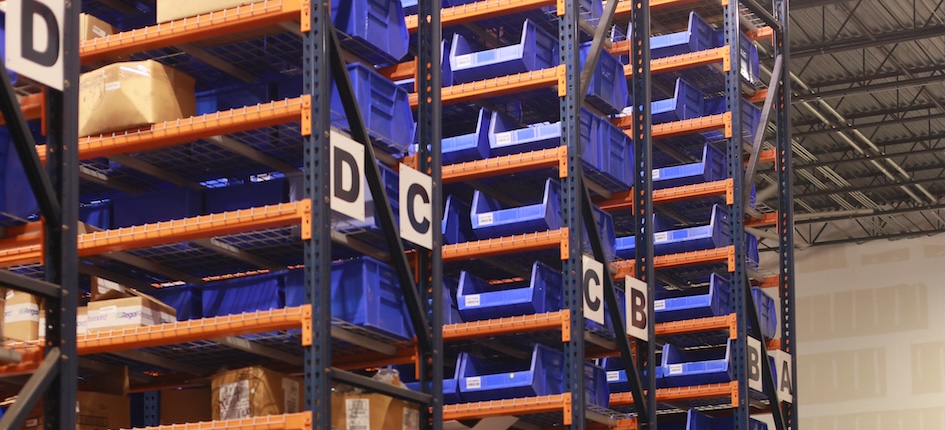
Inventory management is one of the most common applications of supply chain management automation. Instead of relying on manual inventory checks, automated systems monitor stock levels and generate replenishment requests when inventory reaches predefined thresholds.
For MRO inventory, automated replenishment helps keep commonly used items available without excessive stock on hand. Automated inventory systems can also track usage patterns, transactions, and slow-moving inventory across storerooms and facilities.
Procurement Workflows
Purchasing departments often spend substantial time processing routine orders. Automation can generate purchase orders, route approvals, match invoices, track order status, and monitor supplier performance.
Reporting & Analytics
Supply chain automation tools can continuously collect operational data and generate dashboards that track inventory turnover, supplier performance, stockout frequency, purchasing trends, inventory valuation, and consumption patterns. This allows managers to monitor performance without manually compiling reports from multiple systems.

Common Supply Chain Automation Tools
Supply chain automation often starts with targeted technologies that address specific operational challenges. Rather than replacing entire systems, many organizations begin by automating purchasing, inventory tracking, supplier communication, or document processing.
Electronic Data Interchange (EDI) and APIs
Electronic Data Interchange (EDI) and API integrations allow inventory, procurement, and supplier systems to exchange information automatically. Purchase orders, order confirmations, invoices, and shipping notifications can move between organizations without manual data entry.
Point-of-Use Smart Dispensing
In MRO environments, automated vending and dispensing systems track tool and part consumption in real time. Employees scan a badge to retrieve inventory, allowing usage data and replenishment activity to be recorded automatically.
Automated Document Capture
Optical Character Recognition (OCR) software can process bills of lading, packing slips, and invoices, matching documents against purchase orders and flagging discrepancies for review.
Automation Does Not Fix Broken Processes!
One of the biggest misconceptions surrounding automation in supply chain operations is that software alone solves operational problems. In reality, automation works best after processes are clearly defined.
If inventory records are inaccurate, supplier data is inconsistent, or storeroom procedures vary between facilities, automation can amplify those issues instead of solving them.
Successful supply chain automation projects typically begin with process evaluation, data cleanup, and workflow standardization before new technology is introduced.
How DXP Supports Supply Chain Automation
Supply chain automation is most effective when technology, inventory management, procurement, and supplier relationships work together. DXP helps industrial organizations improve inventory visibility, streamline purchasing activities, and build more efficient supply chain processes through supply chain services and inventory management solutions.
Call (936) 261-7736 for more information about our SmartSolutions and other supply chain services.