How Supply Chain Risk Builds Up in Everyday Operations
Supply chain risk usually does not start with a big disruption but builds through normal decisions made to keep operations running, most of which are reasonable at the time. Over months and years, those decisions stack up. Eventually the system behaves differently than planned, and the risk only shows itself when something breaks.
Where Problems Start in Sourcing
Supply chain risk usually shows up long before a disruption hits. It starts during basic supplier selection and sourcing reviews. Decisions that were meant to simplify purchasing or reduce overhead can create dependencies that are hard to unwind later.
Common sourcing choices that introduce risk:
- Single-source approvals
- Regional supplier concentration
- Narrow qualification criteria
On paper, these decisions improve efficiency. But in practice, they reduce flexibility. For example, a plant might approve one supplier for a specialty bearing to clean up SKUs. That works until the supplier reallocates capacity and there is no alternate source ready. Once capacity shifts, recovery options narrow fast.
Over time these sourcing decisions turn into standing policy. And at that point, supply chain risk becomes part of normal operations.
Missed Supplier Capacity Issues
Supplier approval can end once onboarding is finished. After that, changes on the supplier side may go unnoticed. Financial pressure, ownership changes and internal capacity limits can develop without triggering review.
Warning signs that often get missed:
- Capacity limits
- Cash flow pressure
- Ownership or leadership changes
- Customer prioritization shifts
- Allocation restrictions
When these signals are not tracked, suppliers might keep shipping while quietly pushing orders out. Partial shipments continue, and lead times stretch without being formally updated. Many teams only realize what is happening after orders start missing commit dates.
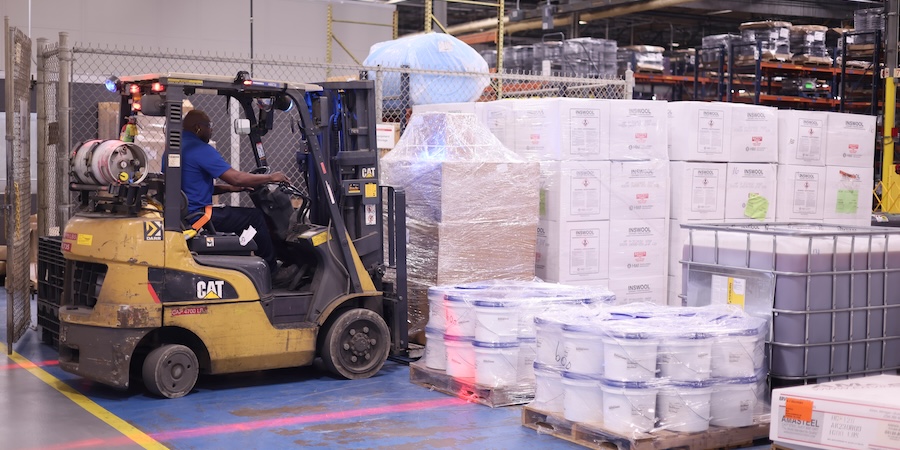
Inventory Rules That Cause Problems
Inventory management policies can also introduce risk without drawing much attention. Many of these rules work fine when conditions stay stable. However, problems start once demand/supply moves outside of the expected range.
Inventory practices that commonly add risk:
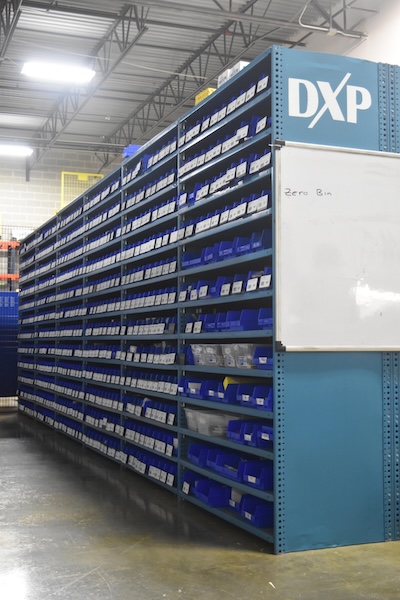
- Static reorder points
- Stock reduction targets
- Long review cycles
- Reliance on average usage and lead time
- Outdated safety stock
- Manual overrides left in place
When conditions change, buffers disappear faster than expected and recovery takes longer. This often shows up when safety stock is still based on last year’s usage and a short demand spike or supplier delay hits.
When Lead Times Start to Drift
Lead times are often treated as fixed even though they change, since capacity limits, transportation issues and internal scheduling all affect delivery performance.
When lead times drift but planning systems do not, schedules lose reliability. Teams work around the system to keep output moving. Over time, the organization adapts to the variability instead of fixing the inputs causing it.
Planning vs. Execution Gaps
Planning systems can reflect how work is expected to flow, not how it actually flows. Inventory balances, order status and lead times may look stable in the system while physical movement tells a different story.
When execution visibility lags, issues surface late in the order cycle. Teams may believe material is available based on system data, only to find shortages during picking or staging. By the time the problem is visible, response options are limited and risk increases.
Taking Process Shortcuts
Daily operational pressure leads to shortcuts. These keep work moving but reduce control.
Common shortcuts that add risk:
- Order splitting to meet deadlines
- Substitutions without record updates
Each shortcut solves an immediate problem. Over time, the side effects add up. Item records fall out of sync. Reorder settings no longer reflect reality. Teams rely more on individual knowledge as opposed to repeatable process. Data integrity weakens, and planning confidence follows.
Falling Behind on Reviews
Sourcing rules, inventory parameters and lead time settings can stay in place for years. As conditions change, assumptions drift but controls do not.
This leads to reactive behavior, where issues are addressed after they surface instead of being caught early. Temporary workarounds become permanent, and risk settles into normal operations.
How DXP Helps Reduce Supply Chain Risk
DXP works with operations and procurement teams to identify where supply chain risk builds through sourcing decisions, inventory controls and supplier performance trends. Our supply chain audits focus on actual operating conditions, including capacity signals, parameter drift and execution visibility.
Contact DXP integrated supply chain team to discuss where exposure may be developing and which adjustments can reduce risk before it impacts production schedules or customer commitments.
Call (936) 261-7736 for more information about our SmartSolutions and other supply chain services.
Check out some of our other supply chain resources:
- Inventory Audit Checklist
- Maintenance Management Tools
- Inventory Vending Machine Guide
- Periodic vs. Perpetual Inventory Systems
- Vendor Managed Inventory Benefits